Many people assume that a higher price automatically means a better wine. However, many wine drinkers still ask the same question: does expensive wine taste better? The relationship between price and quality is not always straightforward. While there is certainly a connection between cost and craftsmanship, expensive wines are not automatically the best wines.
The first thing to consider is the cost of production. Making quality wine requires land, labour, equipment, and time. For example, oak barrels can cost thousands of euros, while premium corks, better bottles, and longer ageing periods all add to the final price. As a result, there is usually a minimum price point required to produce a genuinely handcrafted wine.
This is why extremely cheap wines often struggle to deliver the same level of quality. Wines sold for only a few euros are typically the result of large-scale production, automation, or surplus wine being sold in bulk. By contrast, a well-made artisanal wine does not need to be expensive. In Valencia, for example, many excellent wines can be found in the €8 to €10 retail range. In countries with higher taxes and import costs, such as the Netherlands, that range may be closer to €10 to €15.
As prices increase, production costs can continue to rise. Producers may use more manual labour, invest in higher-quality materials, or spend longer ageing their wines before release. However, once you move beyond a certain price point, the cost of making the wine becomes less important. A wine that costs €100 is not necessarily four times better than a wine that costs €25. Therefore, price should be viewed as an indicator rather than a guarantee of quality.
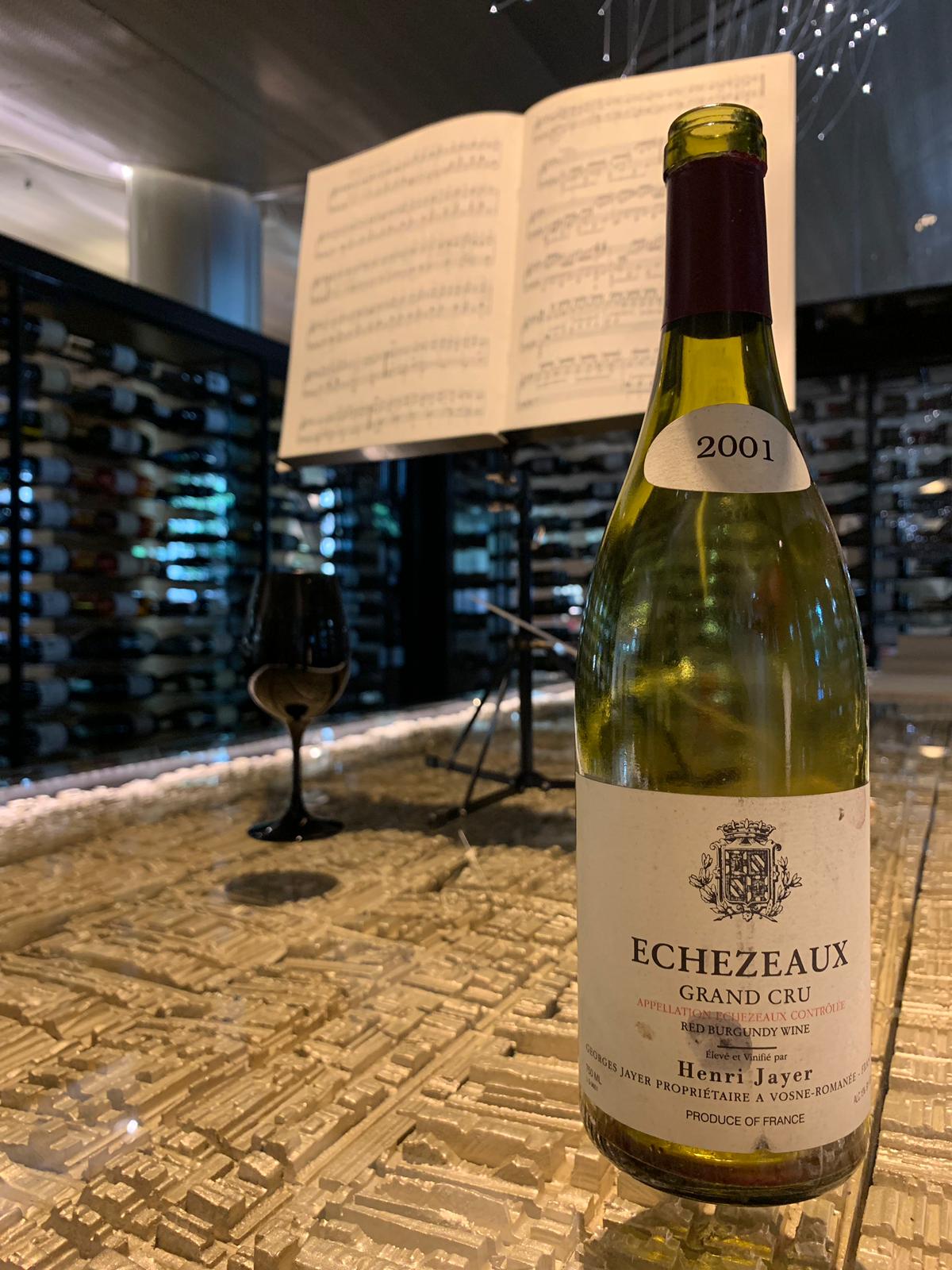
At the higher end of the market, many consumers still wonder: does expensive wine taste better, or are they paying for reputation and scarcity? Wine price and quality are often influenced by factors beyond what is in the bottle. Reputation and scarcity can have a significant impact on the final price. A producer may own a unique vineyard parcel that yields only a limited number of bottles each year. Because demand exceeds supply, prices naturally rise.
The same principle applies to wineries with a long-standing reputation. Once a producer becomes known for making exceptional wines, collectors and enthusiasts often compete to secure allocations. As a result, prices can increase far beyond the actual production costs. While there is usually a reason these wines are highly sought after, consumers should remember that a famous name does not necessarily mean a wine will be of higher quality. A winery may have built its reputation decades ago, but quality can change over time as winemakers, vineyard practices, and styles evolve.
This is also why lesser-known regions can offer incredible value. Valencia is a great example. Historically, the region was associated with high-volume, low-quality wine production, but today many small producers are focused on quality rather than quantity. Because they do not yet have the same international reputation as regions such as Rioja or Ribera del Duero, their wines often deliver exceptional value for money. The same can be said for lesser-known regions such as Jumilla, Bierzo, and Ribeiro.
Finally, it is important to remember that price influences perception. When someone spends €300 on a bottle for a special occasion, they naturally expect a memorable experience. That expectation can affect how the wine is perceived and enjoyed. For this reason, blind wine tastings are one of the best ways to challenge assumptions about quality and price. By removing the influence of labels, reputation, and cost, a blind wine tasting allows you to focus entirely on what is in the glass.
So, if you believe that only expensive wines can be great, try something different. Explore a lesser-known region, ask a wine professional for recommendations, or organise a blind wine tasting with friends. A blind wine tasting can be a great way to answer the question: does expensive wine taste better? Often, the results are more surprising than people expect. You may discover that the best wine is not the most expensive one. Instead, it is the wine that gives you the most joy in the glass.