When you visit Valencia, you probably think of paella, sunshine and the Mediterranean Sea. However, there is much more to discover here, especially when it comes to wine. I often see visitors choosing familiar Spanish wines, such as Rioja, Ribera del Duero or an Albariño. Although these can be excellent wines, I believe they miss out on some wonderful local alternatives. Valencian wines deserve much more attention. For a long time, the region was known for producing large volumes of relatively low quality wine. However, things have changed significantly over the past twenty years. Today, several smaller producers focus on quality rather than quantity.
An important part of this evolution is the changing role of local grape-growing families. Traditionally, many grape growers in Valencia sold their grapes to cooperatives, where the grapes were processed and turned into wine on a much larger scale. However, in recent years, more and more of these families have started taking a different approach. Instead of simply selling their grapes, they are now producing and bottling their own wines, often using vineyards that have been in their families for generations. This shift has helped create a new generation of independent wine producers who are bringing more personality, craftsmanship and diversity to Valencian wines.
One grape variety you have to try when trying Valencian wine is Bobal. It is particularly important in the Utiel-Requena wine region, where it has a long history. Although Bobal was once associated with mass production, it can produce fantastic wines when yields are kept low. I especially enjoy the more elegant styles, with a good acidity and well balanced fruit. Another local favourite of mine is Merseguera. This white grape can produce a wide variety of styles, from fresh, subtle wines with lovely acidity, to more complex versions aged on the lees or in oak, depending on the winemaking approach. Finally, I recommend trying a Valencian Cava. Smaller producers often create distinctive styles with a bit more body, reflecting the warmer climate. Together, these three styles offer a great introduction to the diversity of Valencian wine.
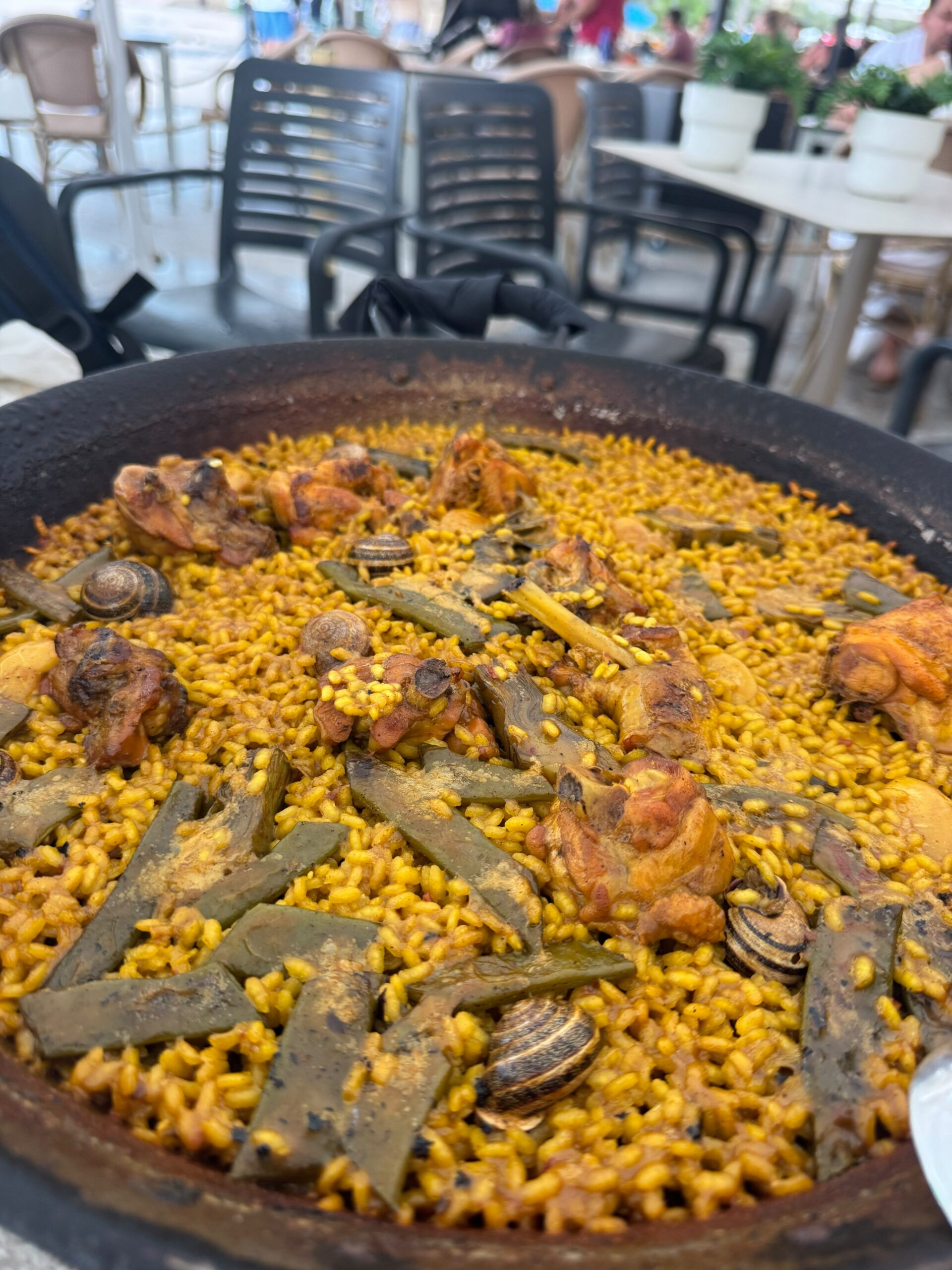
Of course, food and wine belong together, and Valencia is the perfect place to explore that combination. One common misconception I encounter is that paella is always a seafood dish. However, traditional Valencian paella is made with ingredients such as chicken and rabbit. Dishes prepared with fish or shellfish are generally better described as an arroz. So, what would I recommend drinking with an authentic Valencian paella? I would choose an elegant, medium-bodied Bobal with limited oak influence. It has enough structure to complement the dish without overpowering its flavours. Alternatively, a fuller white wine can work beautifully. For example, a local Macabeo with some oak ageing can be an excellent match.
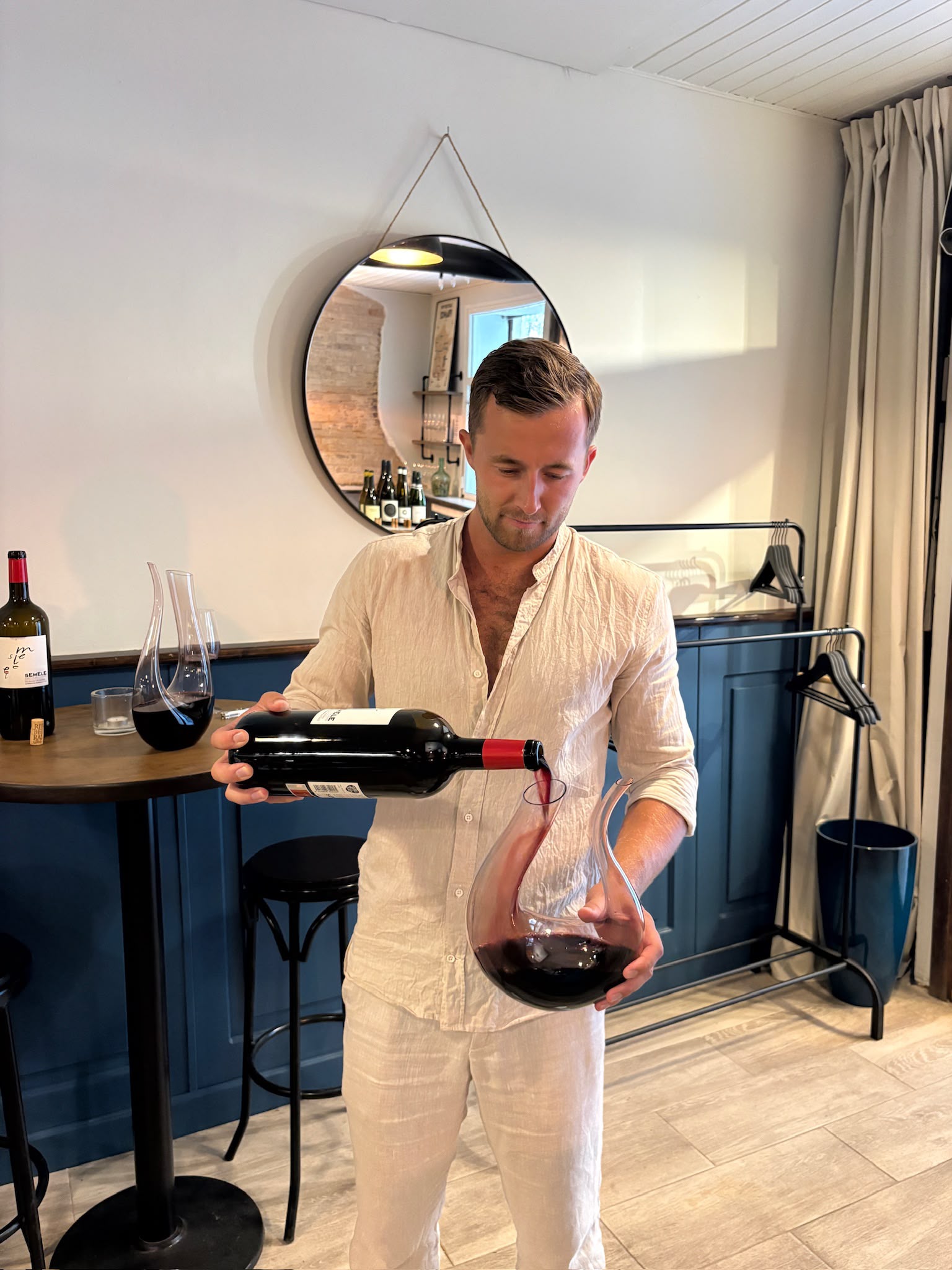
Beyond the dinner table, there are plenty of ways to discover Valencian wines, and because they are not too well known, you often get great value. I always suggest visiting a good wine bar or restaurant and asking the staff for their favourite local bottles. You might discover something special at a very reasonable price. If you have more time, I also recommend exploring the Utiel-Requena wine region and visiting smaller wineries. Some producers I particularly enjoy are Terra D’art, Mustiguillo and Baldovar 923. Javi Revert is another name worth looking for, although his wines can be difficult to find. Through my own wine tastings, I also enjoy introducing people to smaller producers and hidden gems from across Spain, with a particular focus on Valencia. Ultimately, my advice is simple: stay curious, ask the locals for recommendations and do not limit yourself to the famous Spanish wine regions. Some of the most rewarding Valencian wines are still waiting to be discovered.